
21
Which Article of the Indian Constitution encourages the protection and improvement of the environment, as well as the safeguarding of forests and wildlife ?
- A.Article 46D
- B.Article 48A
- C.Article 47B
- D.Article 49A
Solution
Directive Principles
Correct option: (b) Article 48A.
Article 48A is a Directive Principle of State Policy: the State shall endeavour to protect and improve the environment and to safeguard the forests and wild life of the country.
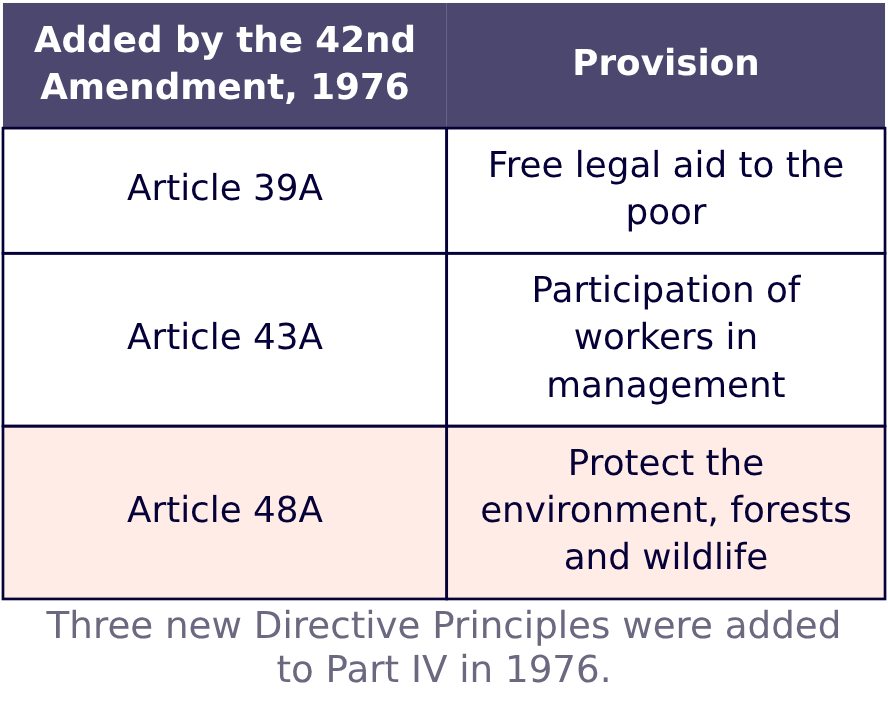 It was inserted by the 42nd Constitutional Amendment Act, 1976, which added three new directives to Part IV; the same amendment created the matching Fundamental Duty in Article 51A(g), so care of the environment is a duty of the State under Article 48A and of the citizen under Article 51A(g).
The other three do not exist in that form - Article 49 deals with the protection of monuments of national importance, while Articles 46 and 47 (welfare of weaker sections; public health) carry no such lettered clause.
It was inserted by the 42nd Constitutional Amendment Act, 1976, which added three new directives to Part IV; the same amendment created the matching Fundamental Duty in Article 51A(g), so care of the environment is a duty of the State under Article 48A and of the citizen under Article 51A(g).
The other three do not exist in that form - Article 49 deals with the protection of monuments of national importance, while Articles 46 and 47 (welfare of weaker sections; public health) carry no such lettered clause.
It was inserted by the 42nd Constitutional Amendment Act, 1976, which added three new directives to Part IV; the same amendment created the matching Fundamental Duty in Article 51A(g), so care of the environment is a duty of the State under Article 48A and of the citizen under Article 51A(g).
The other three do not exist in that form - Article 49 deals with the protection of monuments of national importance, while Articles 46 and 47 (welfare of weaker sections; public health) carry no such lettered clause.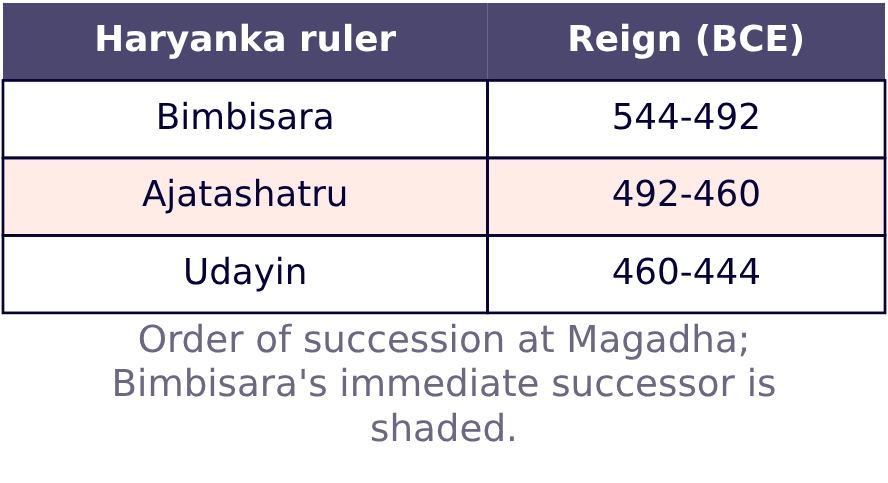 Ajatashatru annexed Kosala and destroyed the Vajji (Lichchhavi) confederacy of Vaishali with the help of two war engines, the rathamusala and the mahashilakantaka; the First Buddhist Council was held at Rajagriha during his reign.
Udayin was the next king after Ajatashatru - he shifted the capital to the new city of Pataliputra - while Chandragupta Maurya and Ashoka belong to the Mauryan dynasty, more than a century later.
Ajatashatru annexed Kosala and destroyed the Vajji (Lichchhavi) confederacy of Vaishali with the help of two war engines, the rathamusala and the mahashilakantaka; the First Buddhist Council was held at Rajagriha during his reign.
Udayin was the next king after Ajatashatru - he shifted the capital to the new city of Pataliputra - while Chandragupta Maurya and Ashoka belong to the Mauryan dynasty, more than a century later.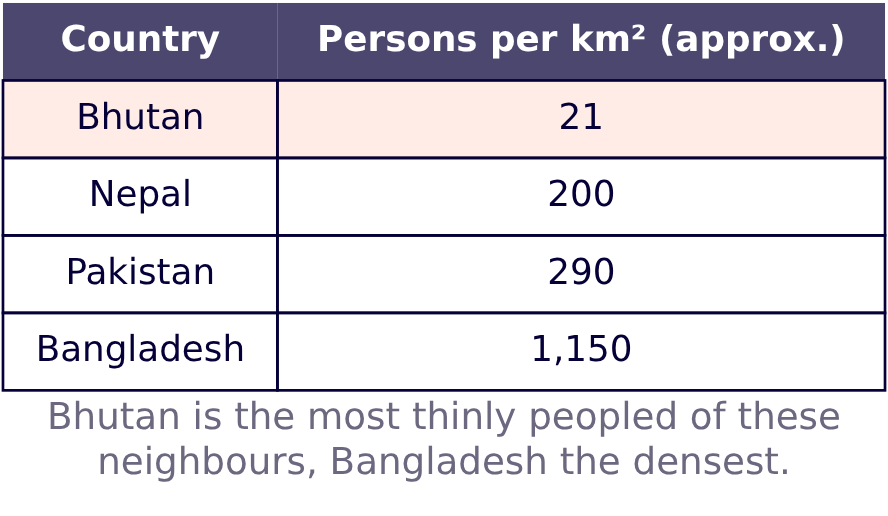 Bangladesh sits at the opposite end with more than 1,100 persons per square kilometre, among the densest countries in the world; Pakistan and Nepal lie in between, and India itself stood at 382 persons per square kilometre in Census 2011.
The rule of thumb for such questions: a small Himalayan state with a tiny population (Bhutan) is thin, a small delta plain packed with people (Bangladesh) is dense.
Bangladesh sits at the opposite end with more than 1,100 persons per square kilometre, among the densest countries in the world; Pakistan and Nepal lie in between, and India itself stood at 382 persons per square kilometre in Census 2011.
The rule of thumb for such questions: a small Himalayan state with a tiny population (Bhutan) is thin, a small delta plain packed with people (Bangladesh) is dense.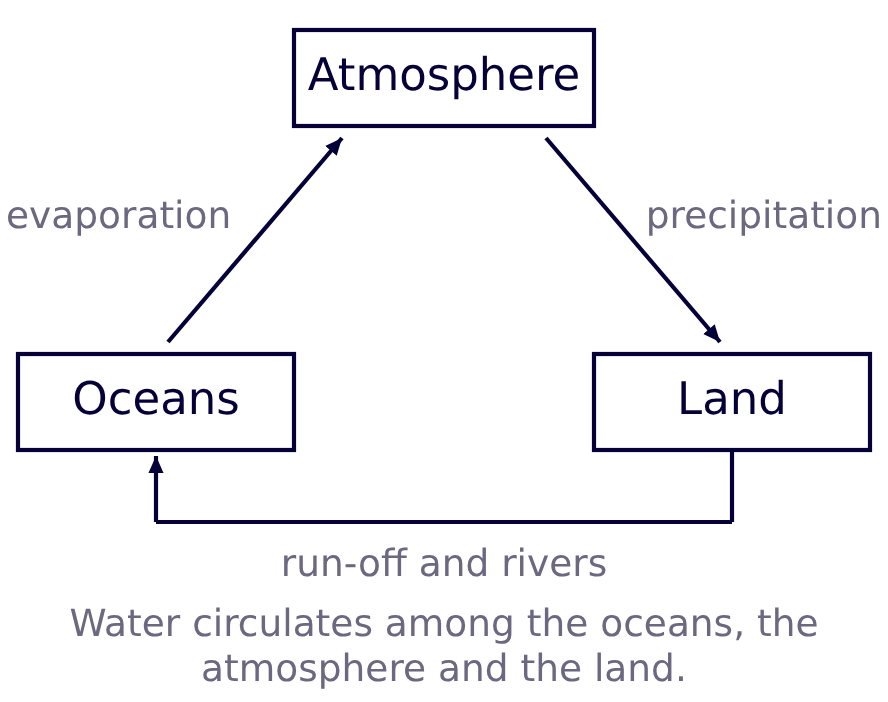 The share that falls on land returns as run-off through rivers or as groundwater seeping underground, and so reaches the ocean again - which is what closes the loop.
So the answer must name all three reservoirs. Options that stop at rivers and oceans, or at clouds and the atmosphere, leave out a store the water actually passes through, and the cycle they describe never returns to its starting point.
The share that falls on land returns as run-off through rivers or as groundwater seeping underground, and so reaches the ocean again - which is what closes the loop.
So the answer must name all three reservoirs. Options that stop at rivers and oceans, or at clouds and the atmosphere, leave out a store the water actually passes through, and the cycle they describe never returns to its starting point.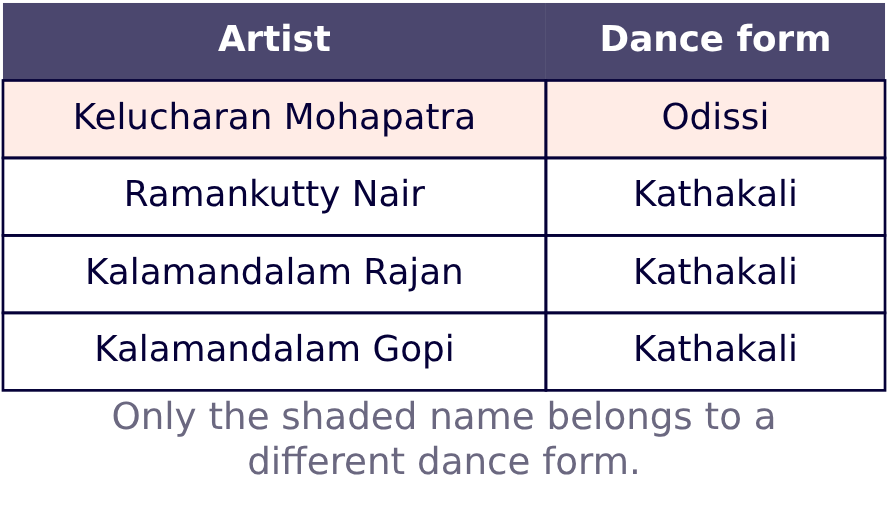 The other three are Kathakali artists of Kerala, all trained at the Kerala Kalamandalam - the prefix 'Kalamandalam' in a dancer's name is itself the signal that the artist comes from that Kerala school.
Other well-known names of Odissi are Sanjukta Panigrahi, Sonal Mansingh and Kumkum Mohanty, which is the company Kelucharan Mohapatra belongs in.
The other three are Kathakali artists of Kerala, all trained at the Kerala Kalamandalam - the prefix 'Kalamandalam' in a dancer's name is itself the signal that the artist comes from that Kerala school.
Other well-known names of Odissi are Sanjukta Panigrahi, Sonal Mansingh and Kumkum Mohanty, which is the company Kelucharan Mohapatra belongs in.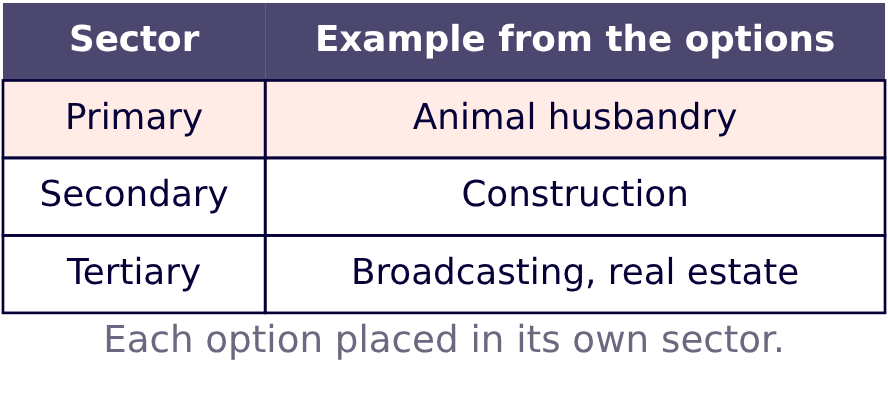 Construction is secondary, because it turns cement, steel and brick into a built product; broadcasting and real estate sell no physical good at all and are therefore services, that is, the tertiary sector.
The test to apply: is the good taken straight from nature (primary), made from it (secondary), or is only a service being sold (tertiary)?
Construction is secondary, because it turns cement, steel and brick into a built product; broadcasting and real estate sell no physical good at all and are therefore services, that is, the tertiary sector.
The test to apply: is the good taken straight from nature (primary), made from it (secondary), or is only a service being sold (tertiary)?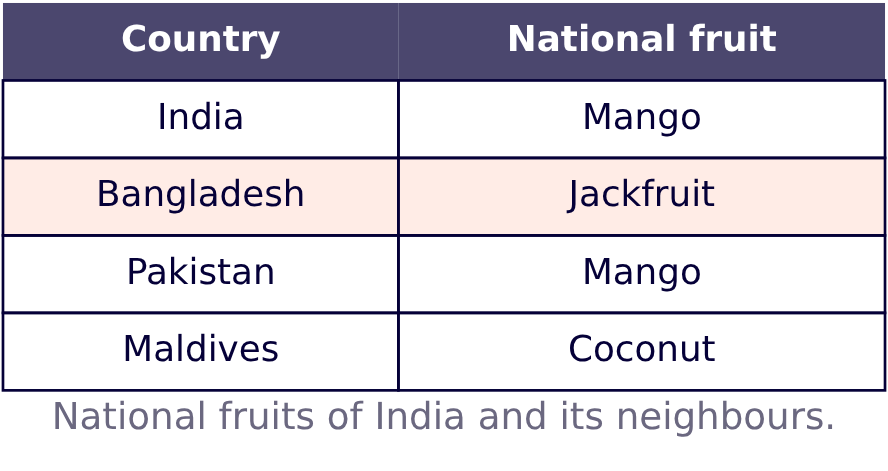 Mango makes option (d) tempting because it is the national fruit of India and of Pakistan, not of Bangladesh. Bangladesh's other national symbols are the water lily (flower), the mango tree (tree) and the Royal Bengal tiger (animal); its capital is Dhaka and its currency the Bangladeshi Taka.
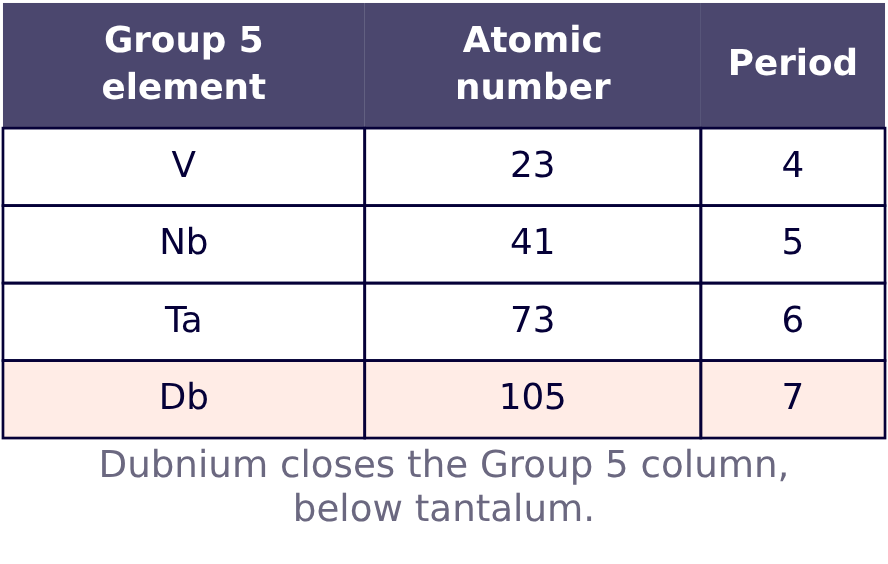 Read the Group 5 column downwards - V (23), Nb (41), Ta (73), Db (105) - and the place of dubnium is fixed; like the rest of the group it is expected to show the +5 oxidation state.
Dubnium does not occur in nature: it is made by bombarding heavy targets in an accelerator, and its longest-lived isotope Db-268 has a half-life of only about a day, the half-life being the time in which half of a radioactive sample decays.
Read the Group 5 column downwards - V (23), Nb (41), Ta (73), Db (105) - and the place of dubnium is fixed; like the rest of the group it is expected to show the +5 oxidation state.
Dubnium does not occur in nature: it is made by bombarding heavy targets in an accelerator, and its longest-lived isotope Db-268 has a half-life of only about a day, the half-life being the time in which half of a radioactive sample decays.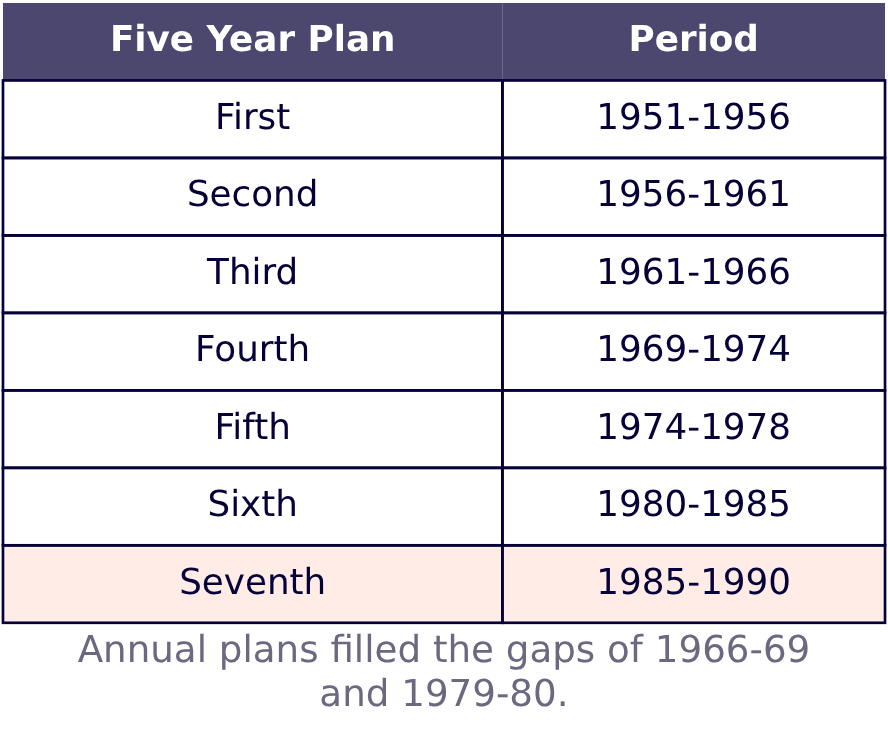 The seven plans stretch past 1985 because the sequence was broken twice by annual plans - the plan holiday of 1966-69 after the wars and the drought, and the year 1979-80.
The Seventh Plan worked on the slogan 'Food, Work and Productivity'; it targeted 5 per cent growth and achieved about 6 per cent. A second plan holiday in 1990-92, caused by the balance of payments crisis, delayed the Eighth Plan to 1992.
The seven plans stretch past 1985 because the sequence was broken twice by annual plans - the plan holiday of 1966-69 after the wars and the drought, and the year 1979-80.
The Seventh Plan worked on the slogan 'Food, Work and Productivity'; it targeted 5 per cent growth and achieved about 6 per cent. A second plan holiday in 1990-92, caused by the balance of payments crisis, delayed the Eighth Plan to 1992.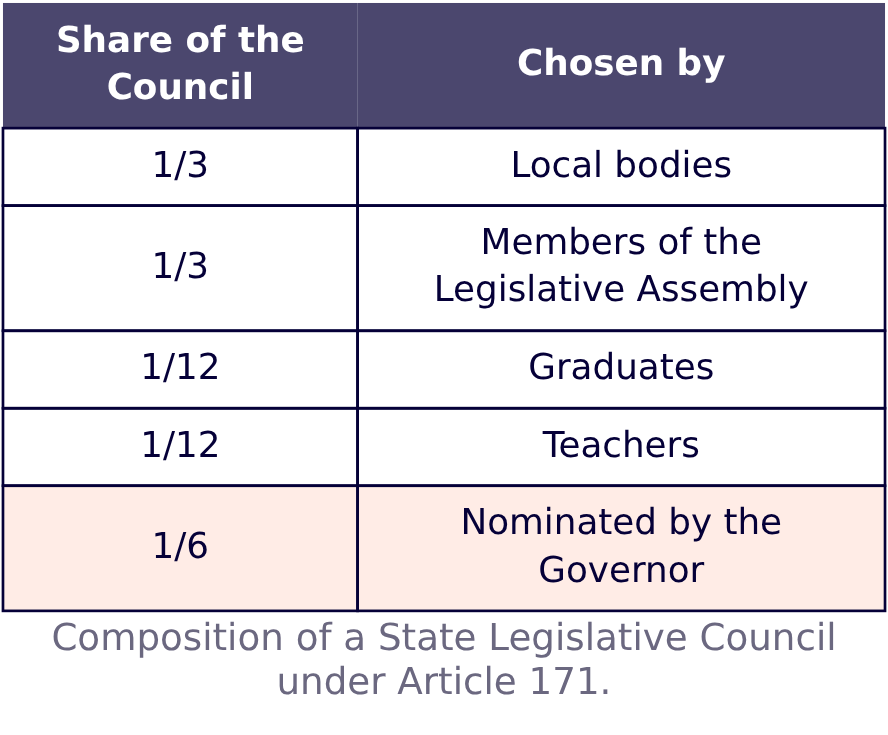 The Council itself is created or abolished under Article 169, on a resolution of the State Assembly; its total strength cannot be more than of the Assembly's strength and not less than 40.
The trap here is the President: he nominates 12 members to the Rajya Sabha for exactly the same kind of eminence, but in a state Council that power belongs to the Governor. The Chief Minister and the State Election Commissioner have no role in it at all.
The Council itself is created or abolished under Article 169, on a resolution of the State Assembly; its total strength cannot be more than of the Assembly's strength and not less than 40.
The trap here is the President: he nominates 12 members to the Rajya Sabha for exactly the same kind of eminence, but in a state Council that power belongs to the Governor. The Chief Minister and the State Election Commissioner have no role in it at all.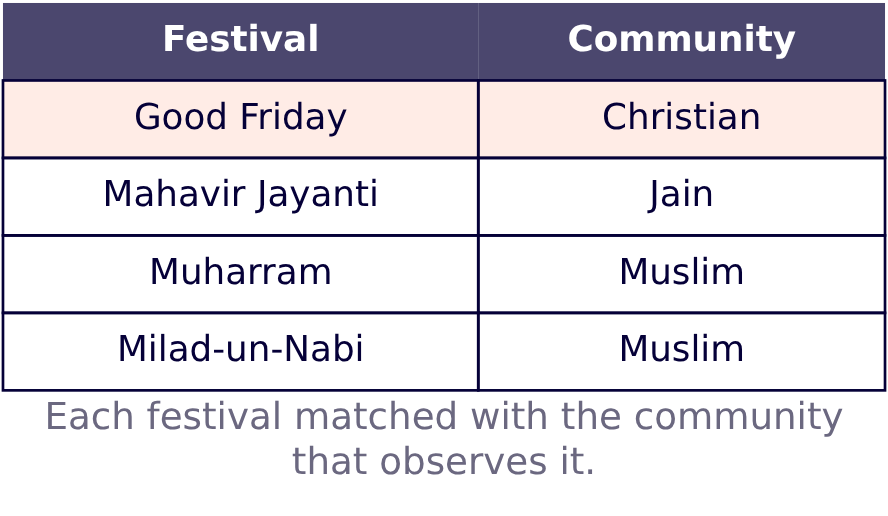 The other three belong to different faiths: Mahavir Jayanti marks the birth of Mahavira, the 24th Tirthankara, and is a Jain festival, while Muharram (mourning for Imam Hussain, martyred at Karbala) and Milad-un-Nabi (the birth of Prophet Muhammad) are observed by Muslims.